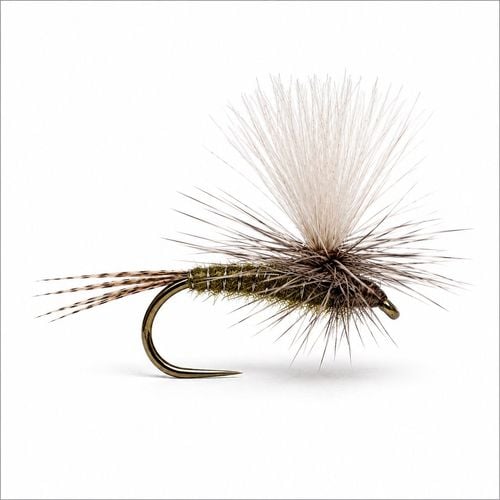
The Caddisfly Lifecycle: A Masterclass for Fly Anglers
Published on June 2, 2026
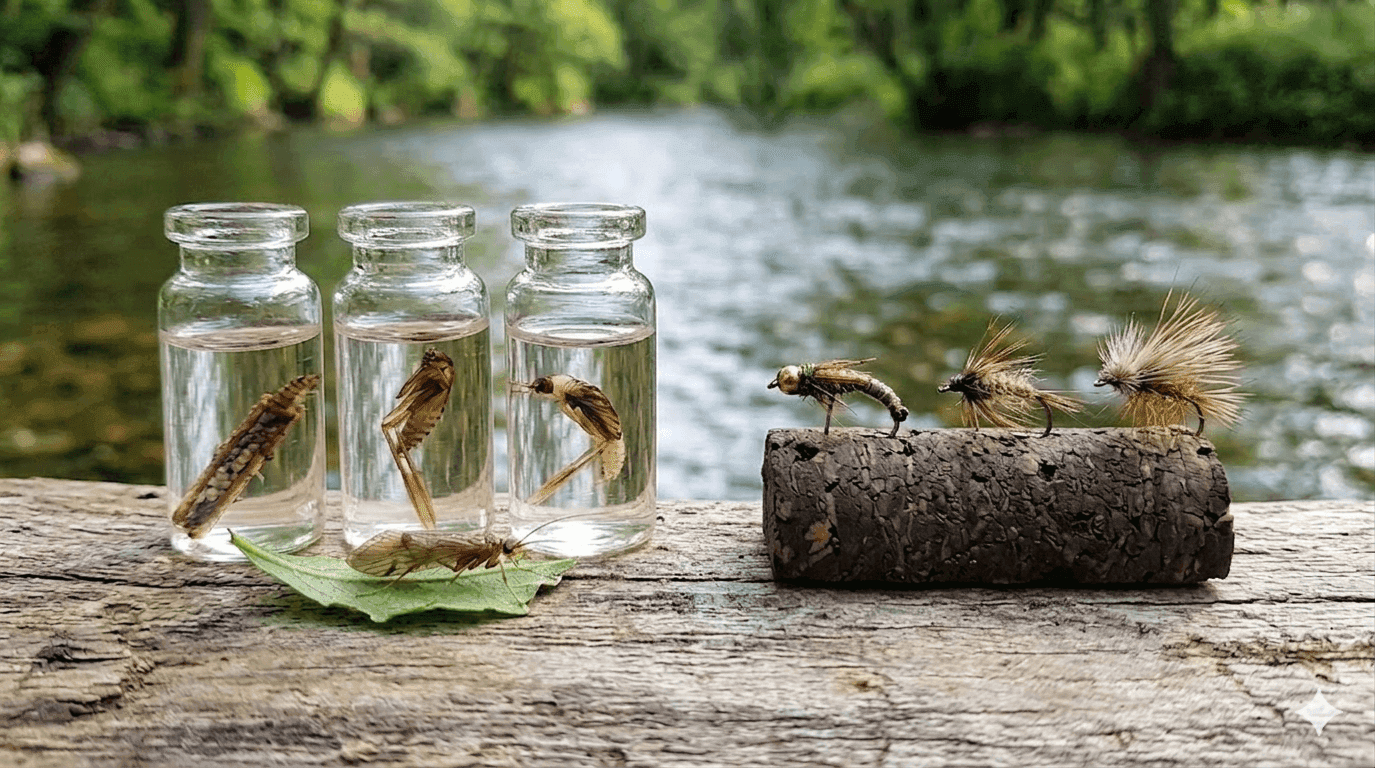
Mastering the Caddisfly Lifecycle: How to Catch More Trout at Every Stage
If you want to move from "fishing" to "catching," you need to understand the Caddisfly (Trichoptera). While mayflies get all the romantic poetry, caddisflies are the blue-collar workers of the trout stream—reliable, abundant, and calorie-dense.
To the untrained eye, a caddis is just a moth-like bug. To a savvy Muses.lt angler, it is a four-stage tactical puzzle. Here is how to solve it.
1. The Larva Stage: The Year-Round Staple
The lifecycle begins on the riverbed. Whether they are Case-builders (using sand and sticks) or Free-living (crawling naked), larvae are available to trout 365 days a year.
Trout Feeding Behavior: Trout cruise the bottom, flipping rocks or intercepting larvae that lose their grip in the current (catastrophic drift).
The Tactic: "Nymphing" is king here. Use heavy tungsten beads to get your fly into the "zone"—the bottom few inches of the water column.
Top Fly Patterns: Cased Caddis, Peeping Caddis, Graphic Caddis.
2. The Pupa: The Deadly "Oar-Stroke" Ascent
This is the most vulnerable moment in a caddisfly's life. The pupa cuts out of its case and swims toward the surface using long, oar-like legs.
Trout Feeding Behavior: This creates a feeding frenzy. Look for "bulging" water where trout intercept the pupa just before it hits the surface.
The Tactic: Use the Leisenring Lift. Cast across and down, allowing the current to tension your line at the end of the drift. This makes your fly "rise" to the surface exactly like a natural pupa.
Top Fly Patterns: LaFontaine's Sparkle Pupa, Soft Hackle Hare's Ear.
3. The Emerger: Trapped in the Surface Film
The insect is now at the surface, struggling to break through the "meniscus" (water tension) and dry its wings. It is a sitting duck.
Trout Feeding Behavior: These are often the "gentle sips" you see in flat water. The fish knows the bug can't escape yet, so it takes its time.
The Tactic: Fish your fly "in" the film, rather than on top of it. Grease your leader but leave the last 12 inches of tippet untreated.
Top Fly Patterns: Klinkhammer, Iris Caddis, X-Caddis.
4. The Adult & Spinner: The Chaos and the Fall
Adult caddis don't sit still. They skitter, hop, and flutter. Later, females return to the water to lay eggs before dying (the "spent" stage).
Trout Feeding Behavior: Explosive surface takes. If you see a fish clear the water to grab a bug, it's hunting an adult caddis.
The Tactic: Don't be afraid to give your rod tip a twitch. A moving fly often triggers a strike when a dead-drifted fly is ignored.
Top Fly Patterns: Elk Hair Caddis, Goddard Caddis, CDC Spent Caddis.
Match the Hatch: Caddisfly Quick-Reference
| Stage | Water Position | Trout Action | Recommended Fly |
|---|---|---|---|
| Larva | River Bottom | Deep, slow "hoovering" | Weighted Cased Caddis |
| Pupa | Moving Upward | Aggressive subsurface swirls | Holy Grail or Soft Hackle |
| Emerger | Surface Film | Subtle sips and rings | Klinkhammer |
| Adult | On Top | Splashy, violent rises | Elk Hair Caddis |
| Spent | Flat on Water | Rhythmic, quiet feeding | CDC Caddis Spinner |
Final Thoughts for the Muses.lt Community
Understanding the caddisfly isn't just about biology; it's about reading the river. The next time you see "moths" fluttering near the bank, don't just tie on a dry fly. Look at the water's surface. Are they slashing? Go with a pupa. Are they sipping? Go with an emerger.
Read next
Top 10 Must-Have Fly Fishing Accessories Every Angler Should Own
A practical guide covering the top 10 essential fly fishing accessories every beginner and experienced angler should have. Improve your success with tools, flies, and gear designed for real river conditions.
Fly Fishing Guide: Essential Gear, Tips & Best Flies for Beginners
A complete beginner-friendly guide to fly fishing, covering essential gear, techniques, and the best fly patterns for Lithuanian rivers. Perfect for anglers looking to start fly fishing with the right equipment.