A guide to the aquatic and terrestrial insects that drive fly fishing in European rivers and lakes.
Insect Hatches
Ephemera danica
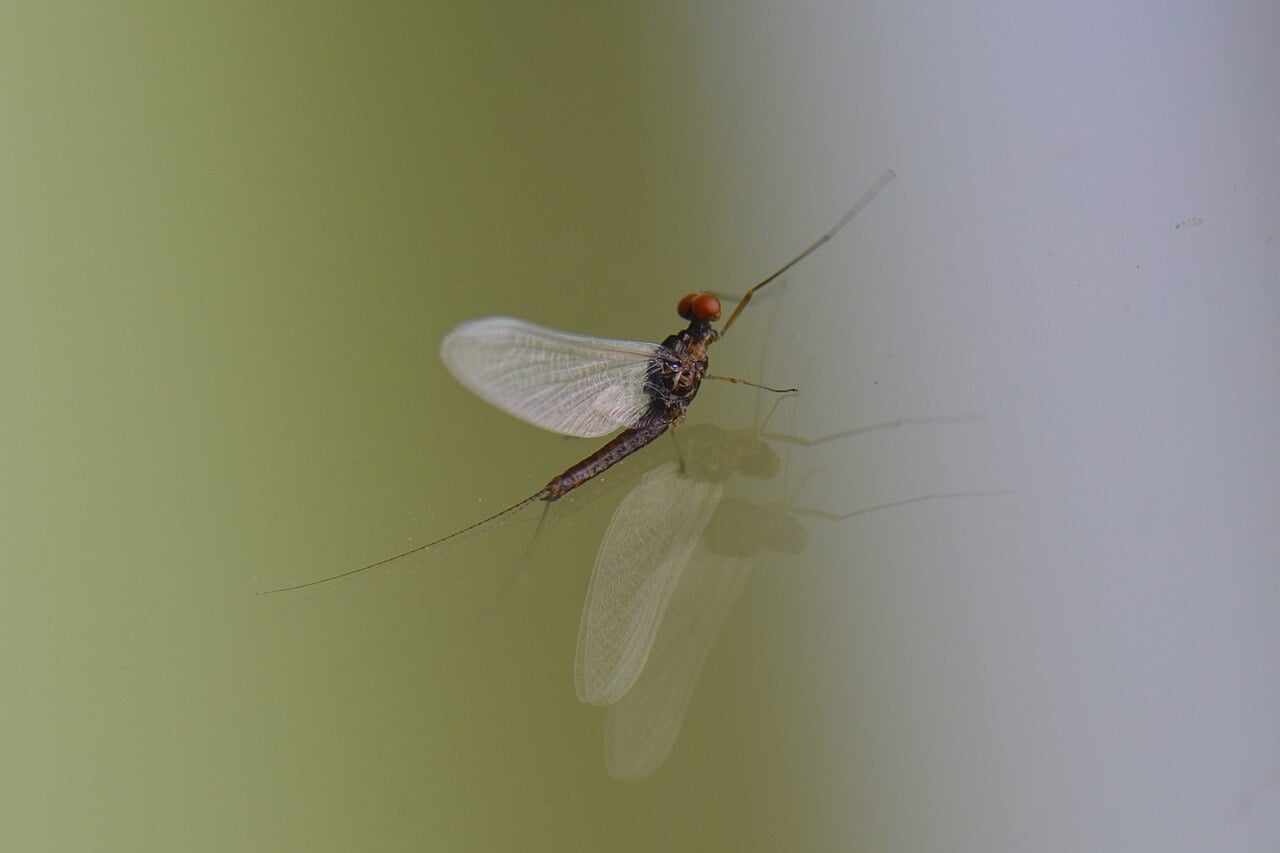
The iconic mayfly of British chalk streams — its annual emergence signals the most celebrated fortnight in fly fishing.
Read more↗
Serratella ignita
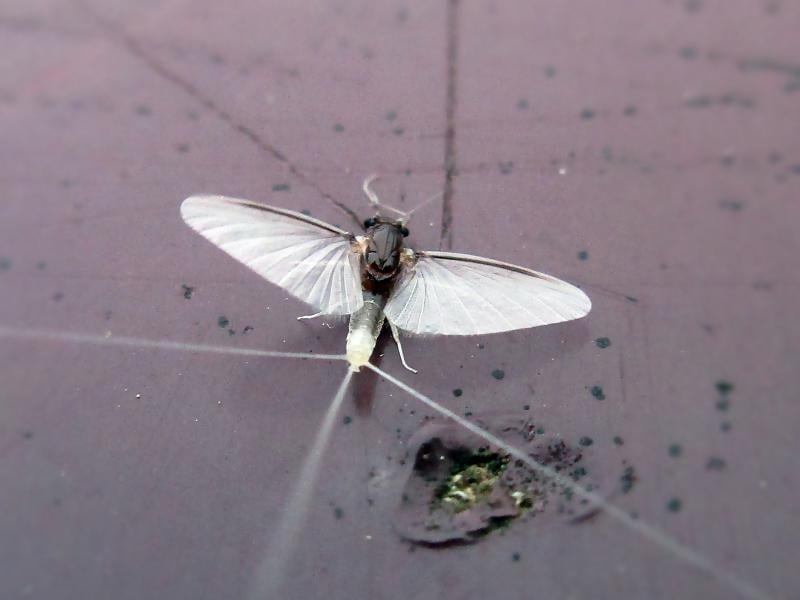
The most important small olive on British and European chalk streams — reliable, widespread, and technically demanding.
Rhithrogena germanica
The first major hatch of the European fly fishing season — a welcome sight on cold, rocky rivers in early spring.
Nigrobaetis niger
The fly fisher's dark secret — a small, near-black mayfly that hatches prolifically in cold, blustery conditions when nothing else is on the water.
Caenis horaria
The infuriatingly tiny mayfly that hatches in such vast numbers that fish refuse to look at anything larger — the tying and presentation challenge of a lifetime.
Brachycentrus subnubilis
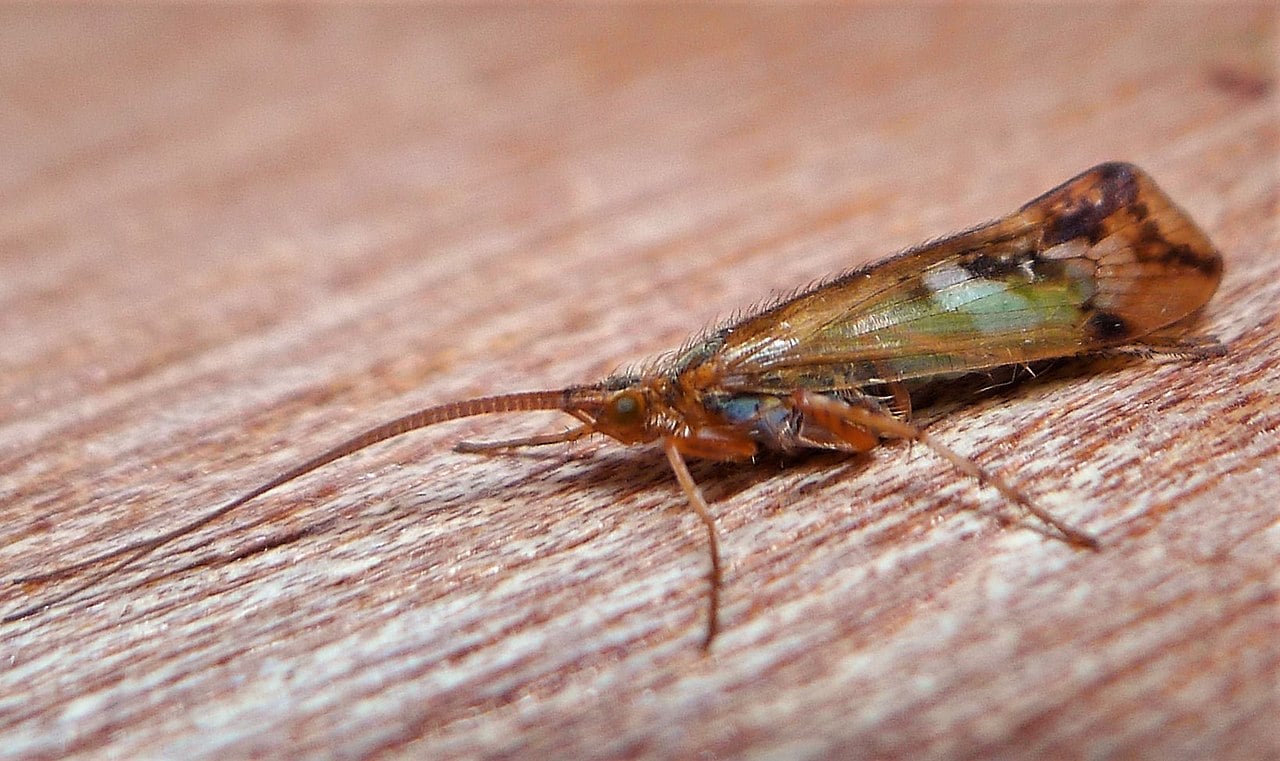
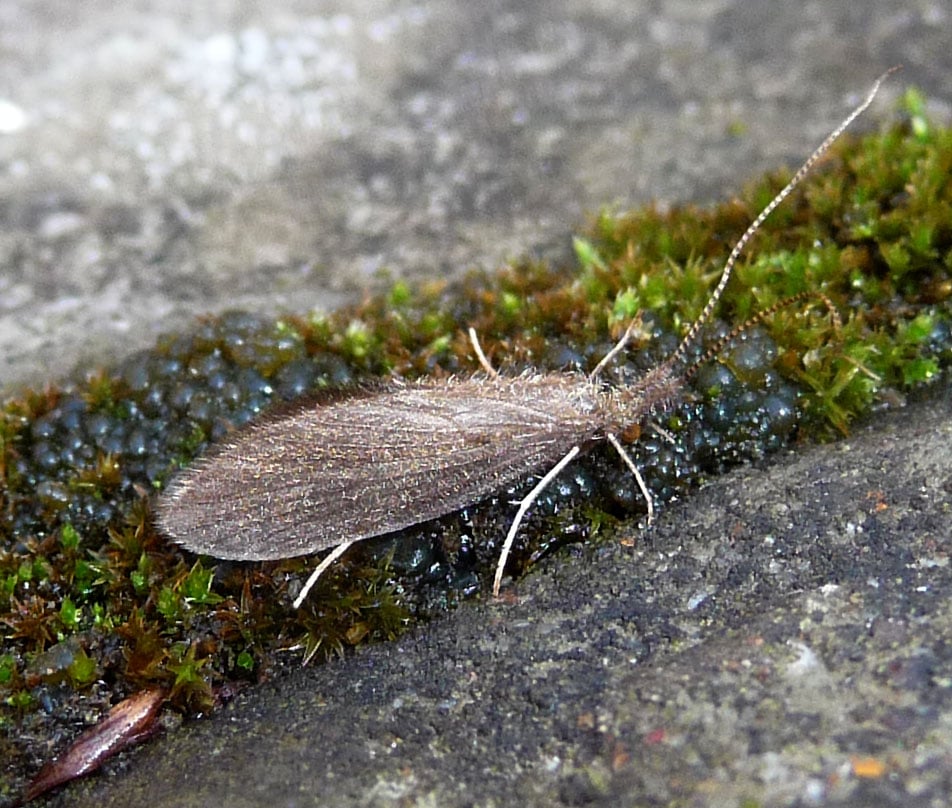
The first major caddis of the year — appearing in huge April swarms, the Grannom kick-starts the surface fly fishing season on chalk streams.
Phryganea grandis
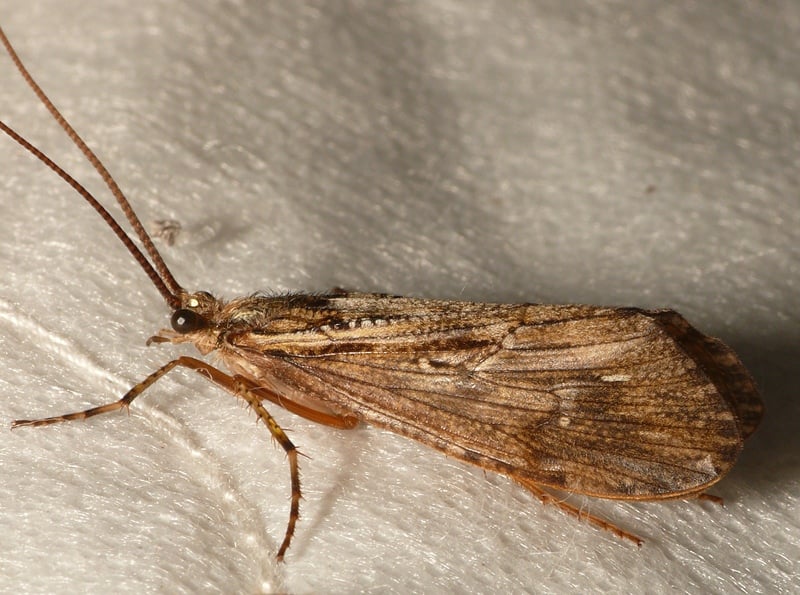
The largest caddisfly in the British Isles — powerful summer evening hatches provoke aggressive takes from the biggest trout and sea trout after dark.
Limnephilus lunatus
A common summer evening caddis found across Europe — its reliable evening hatches from June to August provide consistent dry fly fishing.
Perla bipunctata
A formidable aquatic predator nymph and one of the largest insects in fast, rocky European rivers — its emergence signals exciting fishing on upland streams.
Isoperla grammatica
A bright, cheerful little stonefly — the Yellow Sally's summer hatches on chalk streams and river riffles reliably bring trout and grayling to the dry fly.
Chironomidae sp.
The most important insect of all on stillwaters — year-round, in every month, on every productive lake and reservoir in Europe.
Tipula spp.
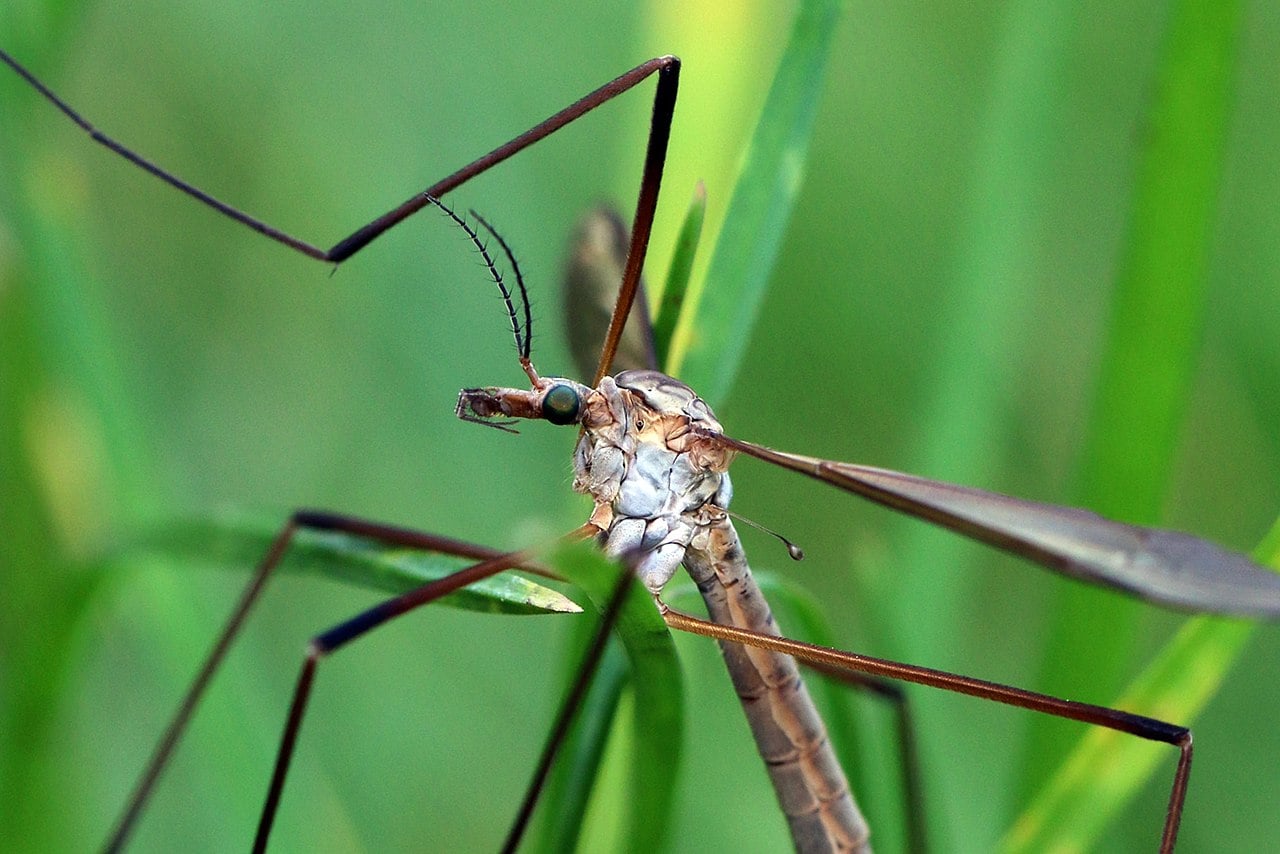
When autumn daddy-long-legs blow onto rivers and lakes in August and September, trout abandon all caution for these clumsy, irresistible mouthfuls.
Bibio marci
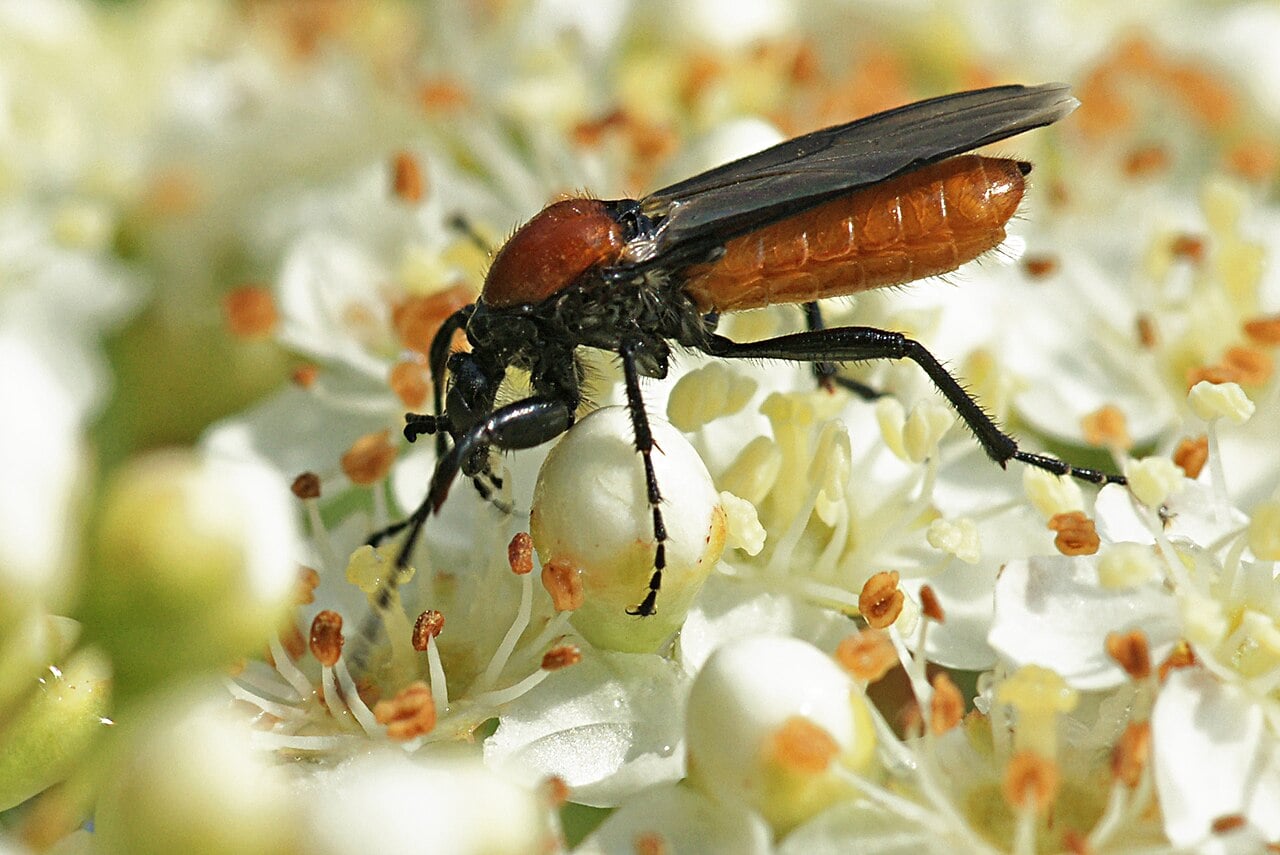
Named for St Mark's Day (25 April), the Hawthorn Fly arrives like clockwork in late April — a short, intense window of spectacular surface feeding.
Bibio johannis
A ubiquitous summer terrestrial — the Black Gnat is available to fish on virtually every European river when other hatches are quiet.