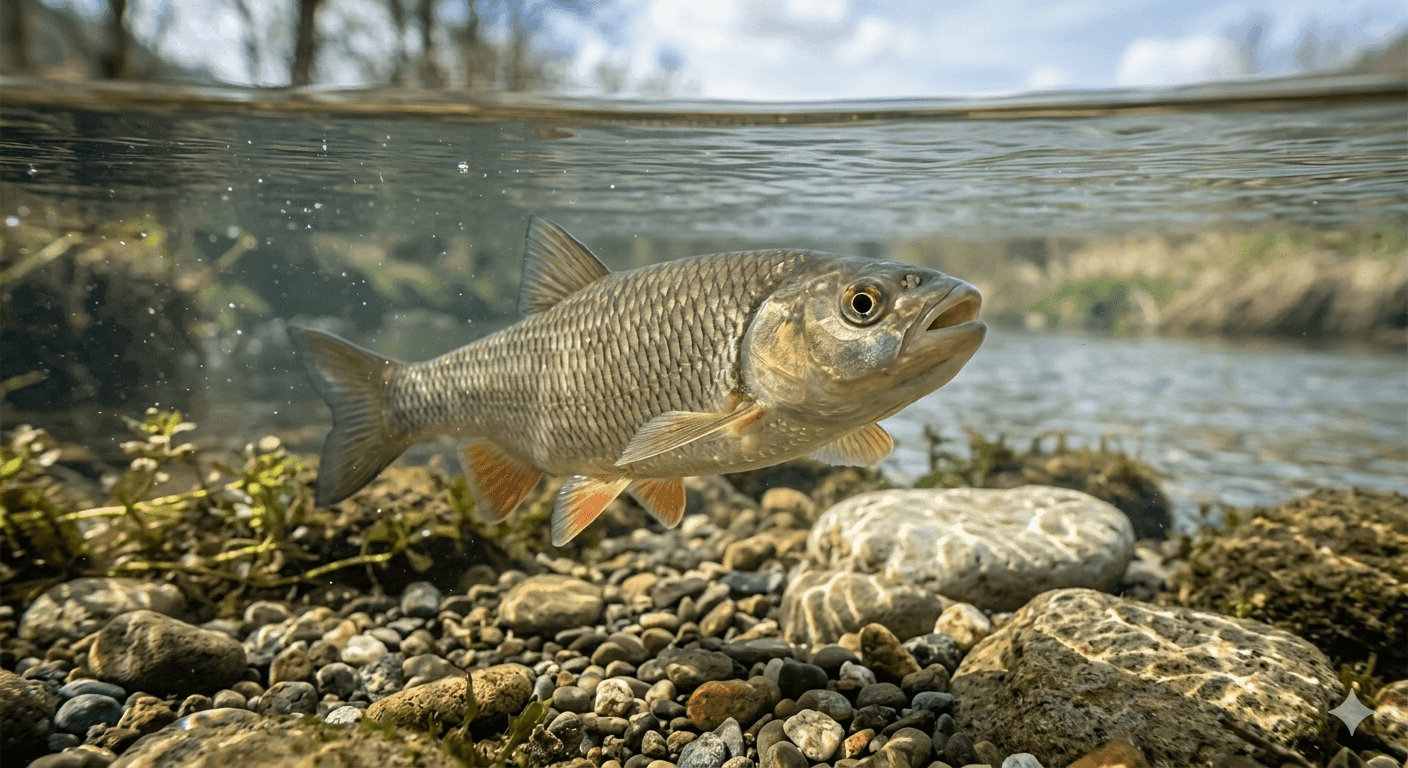
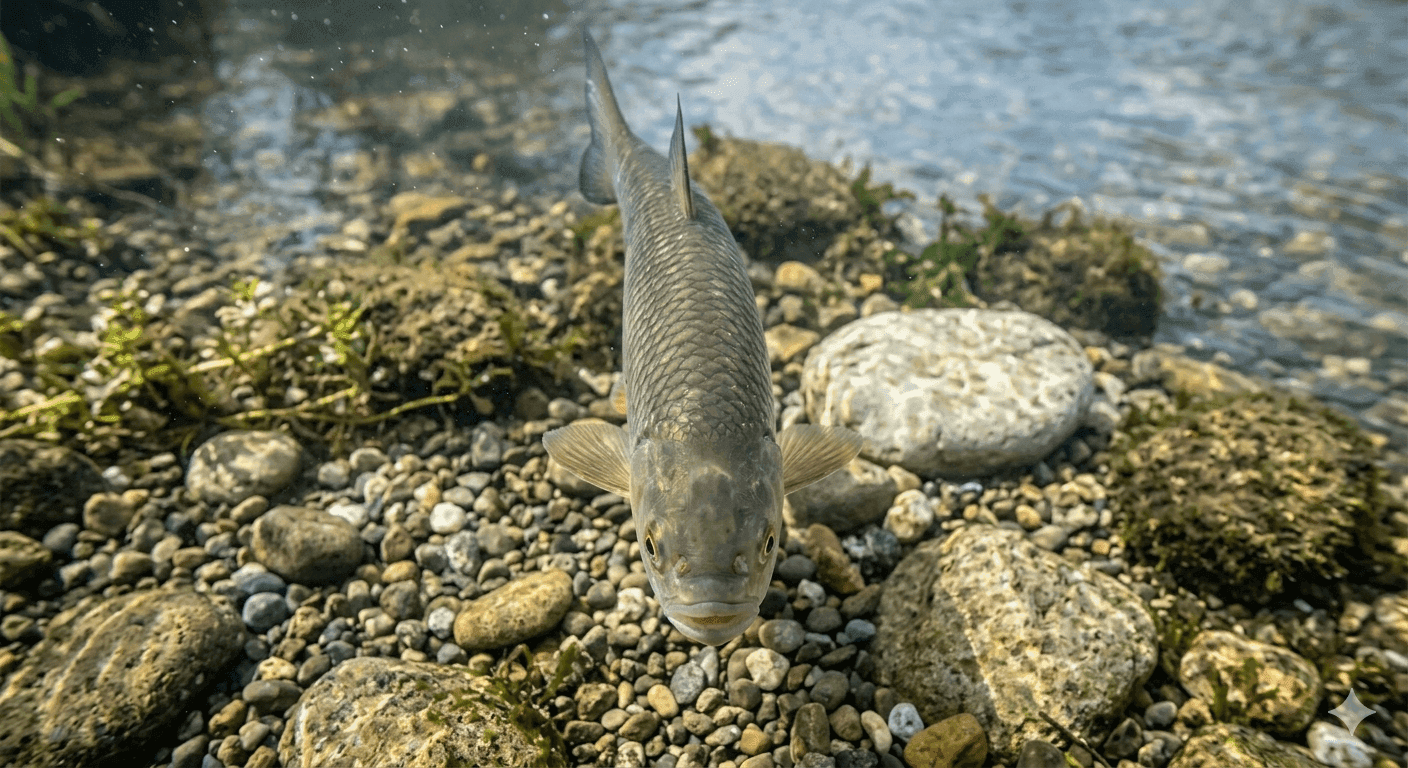
Chub
Squalius cephalus
An underrated dry-fly quarry — chub rise freely to surface imitations and grasshopper patterns, offering exciting visual sport across European rivers.
Medium to large rivers with moderate flow, gravel and sand substrates, and bankside vegetation. Favours shaded stretches under overhanging trees.
25–60 cm, typically 0.5–2 kg; exceptional fish in productive rivers can exceed 4 kg.
Squalius cephalus
Widespread across Central and Western Europe — England, France, Germany, Poland, the Baltic states (Nemunas, Neris), Czech Republic, and the Danube basin. Absent from Scandinavia and Scotland.
The chub is perhaps the most overlooked dry-fly fish in Europe. While trout anglers walk past pools holding double-figure chub sipping flies from the surface, most simply don't realise what they're missing. A large chub feeding confidently under an overhanging willow is as challenging and rewarding a target as any trout of comparable size.
Chub are predominantly warm-water fish, most active in summer when river temperatures rise above 15 °C. They are extremely visual, with large, golden eyes angled upward to monitor the surface. This anatomical bias makes them reliable dry fly risers — particularly to large, crunchy terrestrial patterns like grasshoppers, daddy long-legs, and beetles — from June through to October.
The chub's main challenge is its wariness. Despite living in the same pool year after year and feeding readily on the surface, a chub that detects an angler's presence disappears instantly. Stealth, long leaders, and careful bankside approach are more important here than pattern selection. Once feeding is resumed, however, chub are far less selective than trout and will confidently take a well-presented bushy dry fly.
Musėlinės žūklės taktika
Terrestrial Dry Fly
The most exciting chub method. From July onwards, grasshoppers, daddy long-legs (craneflies), beetles, and ants blown onto the water trigger instant surface responses. Tie on a large foam or deerhair terrestrial imitation (hook size 8–12), approach the bank with extreme care, and cast tight to the far bank or beneath overhanging branches. Allow the fly to drift naturally and expect the take to be immediate and confident.
Upstream Dry in Riffles
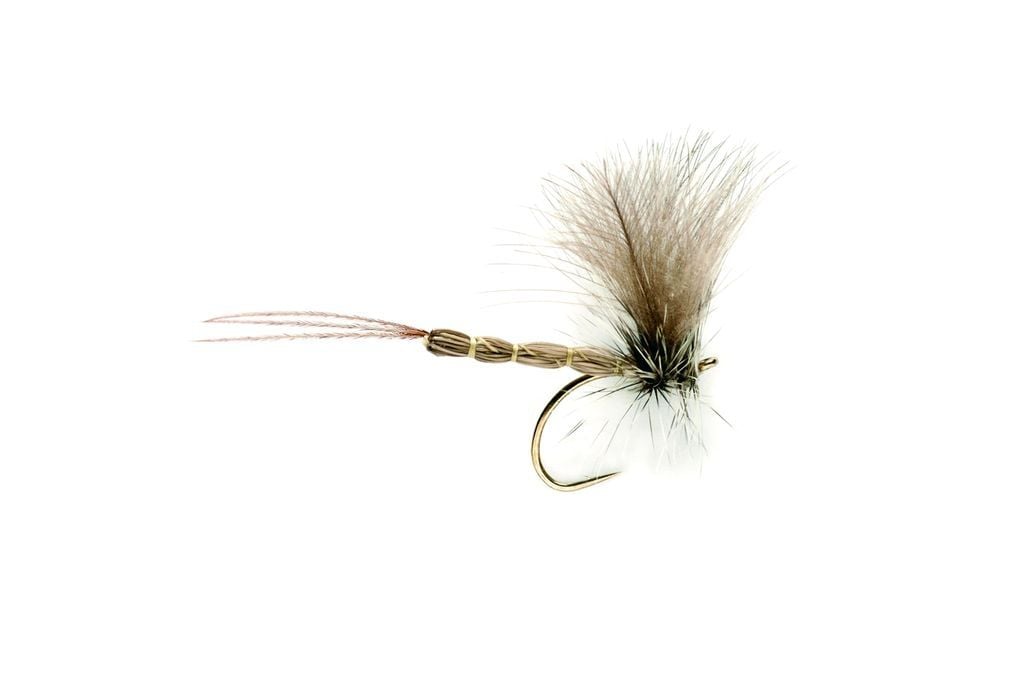
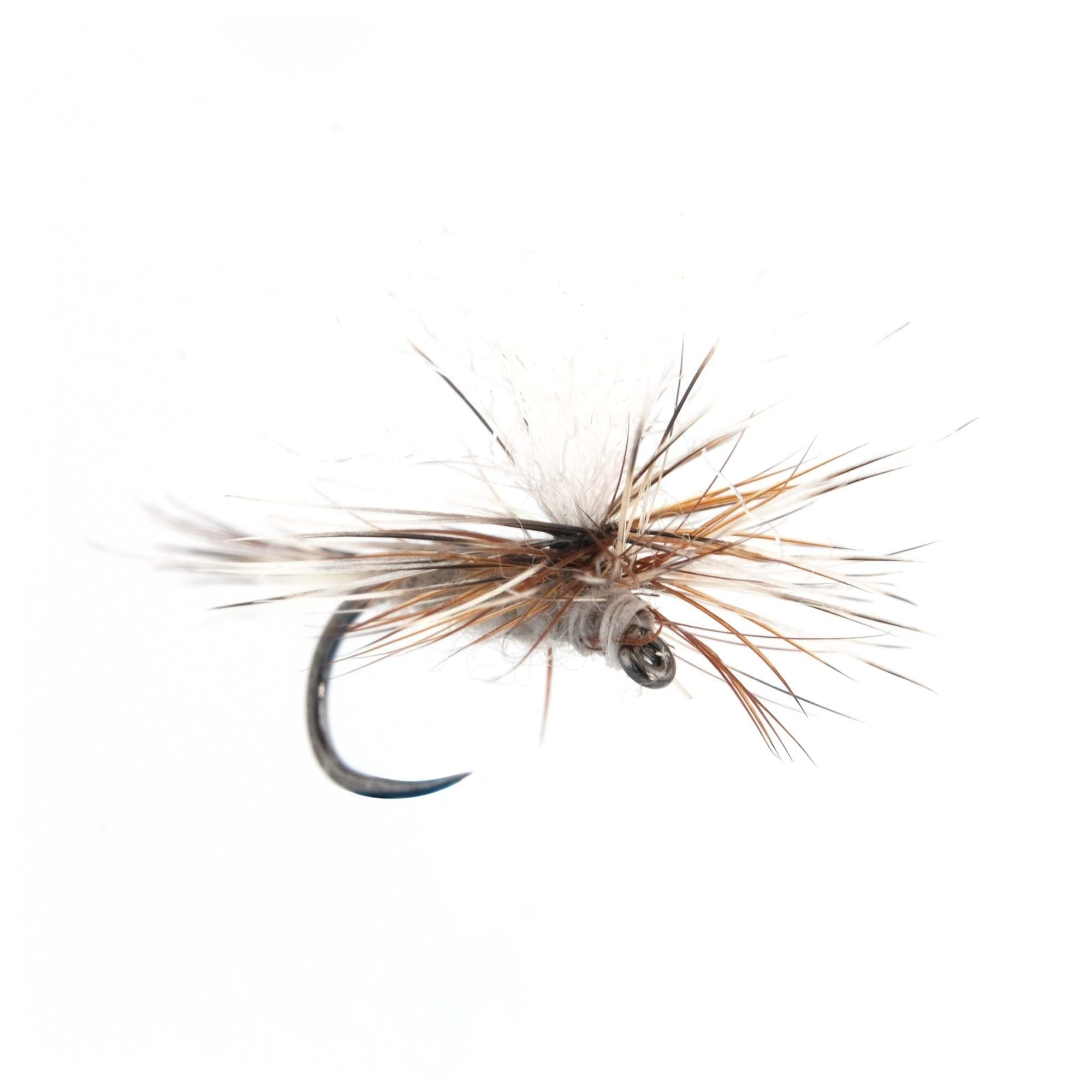
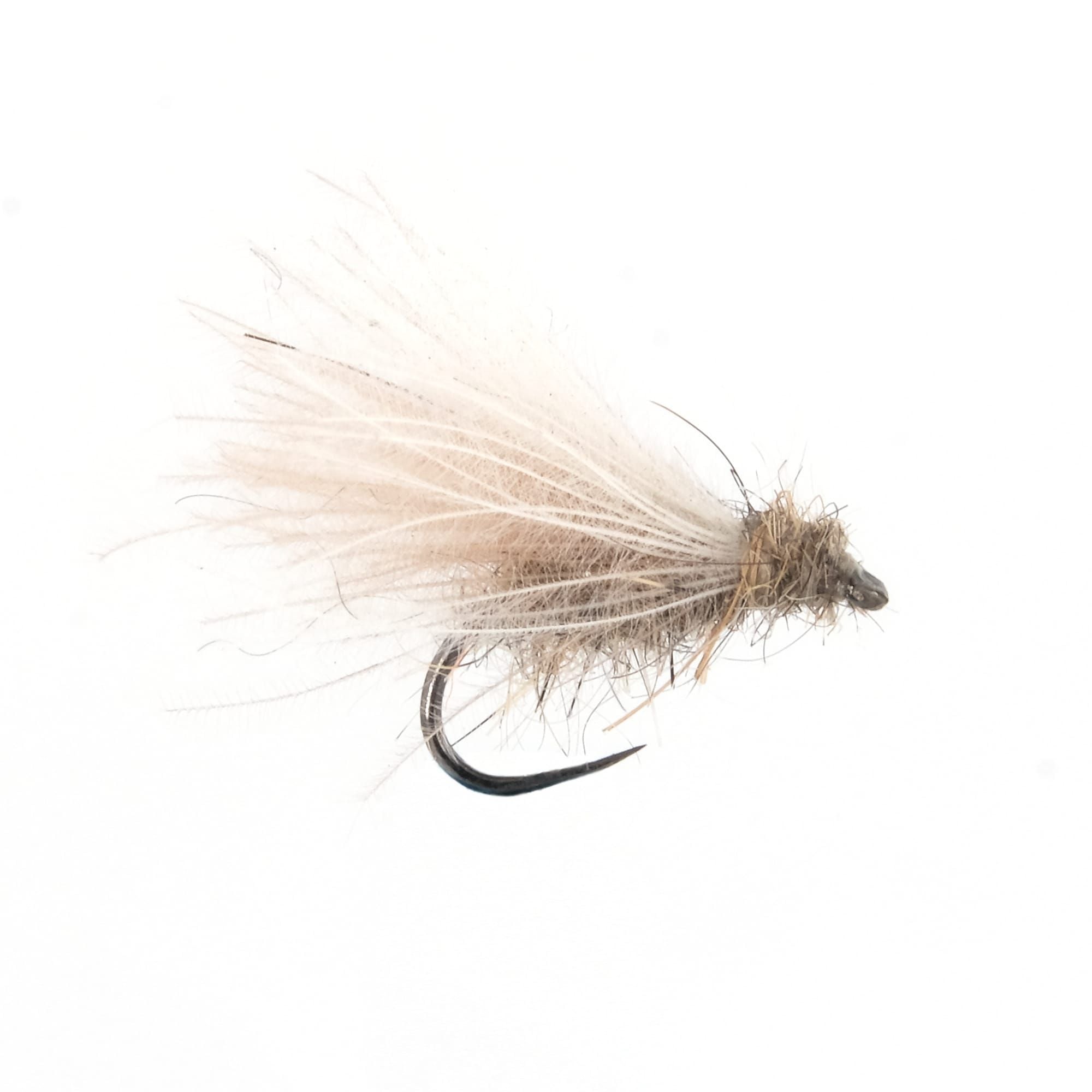
In broken, faster water chub hold in seams and behind boulders and respond to standard trout dry fly tactics. Large Elk Hair Caddis, Stimulators, and Royal Wulff patterns work well in sizes 10–14. Approach upstream, make short accurate casts, and fish through each seam methodically. These fish are less wary than pool fish and provide consistent sport.
Streamer and Wet Fly
Larger chub (over 1 kg) readily take streamer patterns fished across and downstream in coloured water or on overcast days. Small deceiver-style patterns, zonkers, and weighted nymphs stripped erratically through pools produce bold takes. Intermediate or sinking-tip lines help maintain depth in faster water.
Rekomenduojamos musės
Geriausi mėnesiai
Kur žvejoti
Svarbiausi postai

Kitos rūšys
Brown Trout
Salmo truttaThe most iconic freshwater fish in European fly fishing — wary, selective, and endlessly fascinating.
Atlantic Salmon
Salmo salarThe king of rivers — a powerful anadromous fish that returns from the ocean to spawn in its birth river.
Grayling
Thymallus thymallusCalled the "Lady of the Stream" — the grayling extends the fly fishing season deep into winter with year-round sport.
Sea Trout
Salmo trutta truttaThe sea-run form of brown trout — a nocturnal predator that enters rivers silver-bright and fights with extraordinary power.
Rainbow Trout
Oncorhynchus mykissIntroduced from North America, the rainbow now thrives across Europe and offers acrobatic sport in rivers, lakes, and reservoirs.