Great Red Sedge
Phryganea grandis — Murragh, Great Caddis
The largest caddisfly in the British Isles — powerful summer evening hatches provoke aggressive takes from the biggest trout and sea trout after dark.
Caddisflies — Trichoptera
Phryganeidae
Body 20–28 mm / Hook size 8–12
Evening & night
Large rivers, deep limestone loughs, and lake margins with reed beds and emergent vegetation
Lifecycle
Phryganea grandis is the largest caddisfly in the British Isles. Its larva builds a spiral-shaped case from cut sections of leaf and stem arranged in a perfect helix — an instantly recognisable construction found in reed beds and aquatic vegetation along slow river margins and lake shores. The larva is predatory, supplementing its plant diet with other invertebrates and small organisms.
The pupa is correspondingly large and swims powerfully through the water column when ascending to hatch. An ascending Great Red Sedge pupa is a substantial food item; large trout will leave their daytime lies to intercept them. Pupal rise to the surface typically occurs in the late afternoon before surface hatching begins.
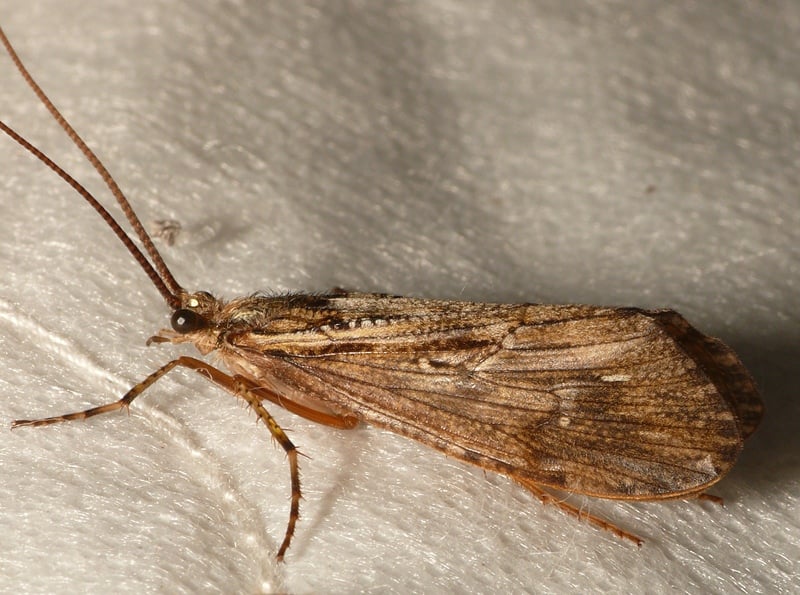
The adult female is large, rust-brown and tiger-barred, unmistakable in flight. Evening and night hatches produce large numbers of adults skittering across the surface before ovipositing, creating V-wakes that attract the attention of trout even in low light conditions. The Irish name "Murragh" reflects the species' importance on the great limestone lakes of the west of Ireland.
Peak months
The Great Red Sedge is the fly fisher's night hunter. While most caddis hatches are daytime or early evening events, Phryganea grandis is primarily a nocturnal hatcher — and the trout and sea trout that pursue it are among the largest fish in the river or lake system. On an Irish lough in June, the appearance of Murragh on a warm evening is the cue for boats to move inshore and very large trout to begin feeding aggressively in the margins.
In river fishing, particularly in the Welsh and Scottish rivers where sea trout run from June onwards, the Great Red Sedge provides some of the most exciting night fishing available. Sea trout that lie completely dormant through the day because of bright conditions and angling pressure respond at night to a large skated caddis pattern creating a surface disturbance.
The species is widespread across the British Isles, Ireland, Scandinavia, and through Central and Eastern Europe on suitable lowland and limestone lakes and river systems. The Irish loughs — Corrib, Mask, Conn — are particularly famous for their Phryganea hatches and the enormous free-rising wild trout that feed on them.
Fishing tips
Skated Surface Presentation
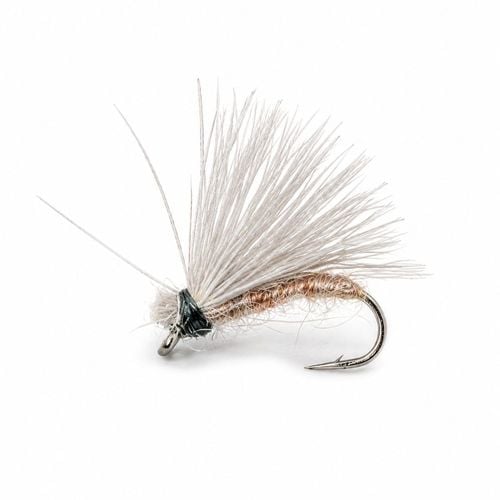
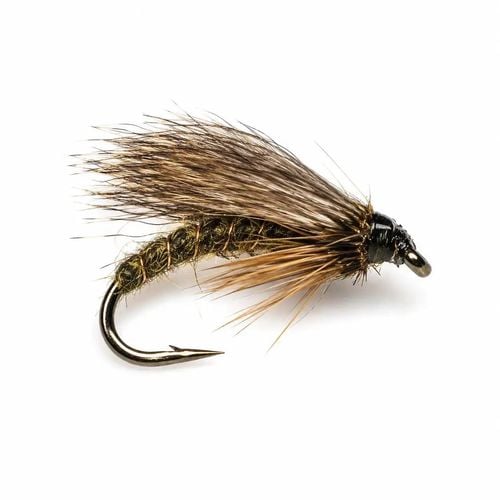
The defining technique for Great Red Sedge fishing. Cast a large, bushy sedge pattern (Murragh, Elk Hair Caddis or Stimulator in size 10–12) across the current and allow it to skate creating a V-wake. This mimics the egg-laying females and provokes aggressive strikes. Some anglers add a "riffling hitch" knot behind the head to help the fly skate more effectively.
Night Fishing on Lake Margins
On Irish loughs and Scandinavian lakes, wade the margins at dusk when the hatch begins. Cast parallel to the shoreline and retrieve the fly in long strips across the path of cruising fish. The take from a large trout on a night-fished sedge is explosive — keep the rod tip low and the line tight.
Large Pupa at Depth
In daylight hours, a large weighted pupa pattern (size 8–10) fished on a floating line with a long leader, dead-drifted through deep river runs or lake margins, is an excellent tactical alternative when fish are not on the surface.
Fly patterns
Target species
Shop Our Flies
Other hatches
MayfliesGreen Drake
Ephemera danicaThe iconic mayfly of British chalk streams — its annual emergence signals the most celebrated fortnight in fly fishing.
MayfliesBlue Winged Olive
Serratella ignitaThe most important small olive on British and European chalk streams — reliable, widespread, and technically demanding.
MayfliesMarch Brown
Rhithrogena germanicaThe first major hatch of the European fly fishing season — a welcome sight on cold, rocky rivers in early spring.
MayfliesIron Blue Dun
Nigrobaetis nigerThe fly fisher's dark secret — a small, near-black mayfly that hatches prolifically in cold, blustery conditions when nothing else is on the water.
MayfliesCaenis / Angler's Curse
Caenis horariaThe infuriatingly tiny mayfly that hatches in such vast numbers that fish refuse to look at anything larger — the tying and presentation challenge of a lifetime.